The lens mount is a marvel of mechanical engineering. It must hold heavy glass perfectly parallel to the imaging sensor, withstand thousands of mounting cycles without introducing play or wobble, and often transmit complex electronic signals for autofocus and aperture control.
The M42 Thread: A Universal Standard of the Past
Before proprietary bayonet mounts fractured the camera market, there was the M42. Also known as the Praktica thread mount or Pentax thread mount, this simple mechanical standard consists of a 42mm diameter screw thread with a 1mm pitch. For decades, it allowed lenses from manufacturers like Zeiss, Pentax, and Helios to be used interchangeably across different camera bodies.
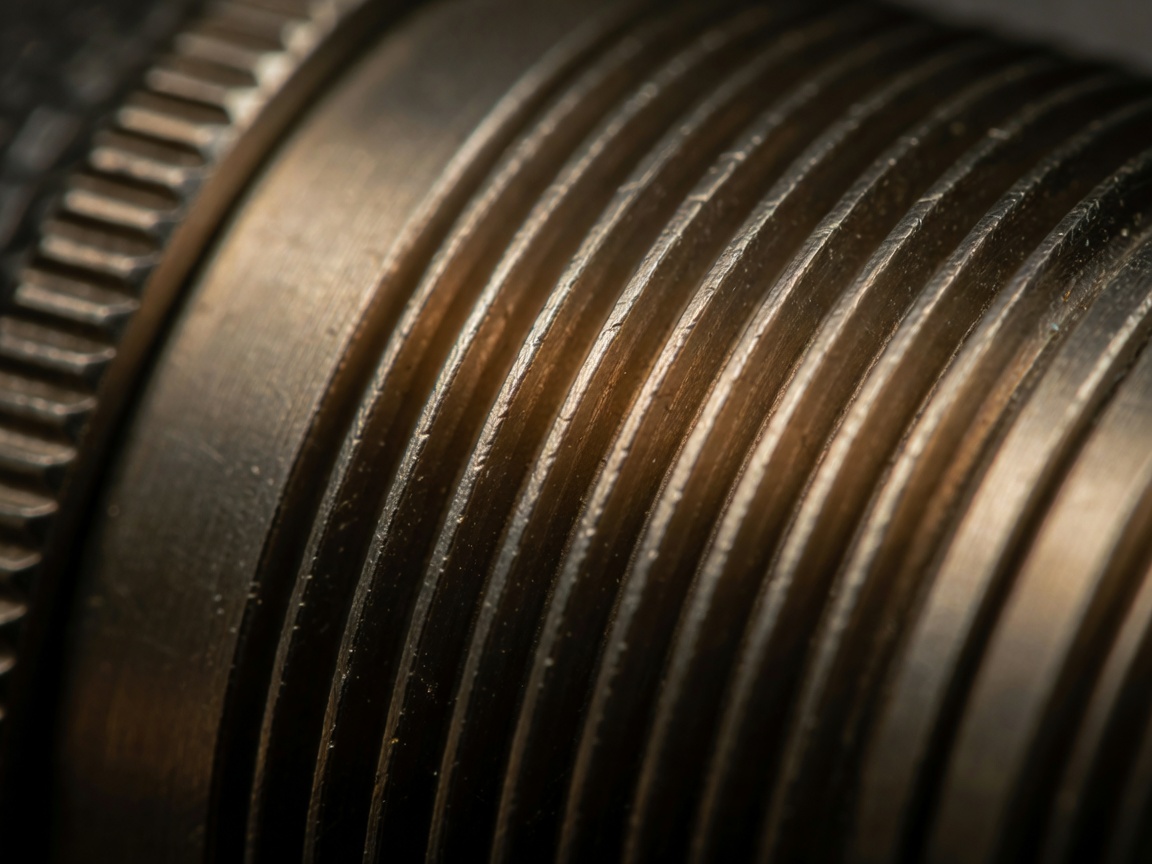
The beauty of M42 lies in its simplicity. Because it is merely a screw thread with a relatively long flange focal distance (45.46mm), M42 lenses are among the easiest and most popular to adapt to modern systems today.
Bayonet Mounts: Speed and Precision
As photographers demanded faster lens changes, the screw thread gave way to the bayonet mount. A bayonet utilizes three or four interlocking lugs. By aligning a red dot on the lens with a dot on the camera body and twisting (usually between 45 and 90 degrees), the lens locks securely into place.
Early bayonets, like the classic Nikon F mount introduced in 1959, were purely mechanical. Over time, manufacturers added mechanical linkages for aperture control, and eventually, gold-plated electronic contacts to allow the camera computer to talk to the lens microprocessors.
Breech-Lock: The Friction Fit
A rarer variant is the breech-lock mount, most famously utilized by early Canon FD systems. Unlike a bayonet where the lens and camera body grind against each other during rotation, a breech-lock lens is placed flush against the camera mount without twisting. A separate rotating collar on the lens is then turned to tighten the friction fit.
Proponents argued this prevented wear on the mating surfaces, maintaining perfect flange distance indefinitely. However, it was slower to operate than a true bayonet, leading to its eventual phase-out.